

Kids
Taking kids to fireworks: an earmuff checklist for parents
Fireworks reach 140 to 160 dB. Why pediatricians advise earmuffs over plugs for small children, and how to fit them before the show.
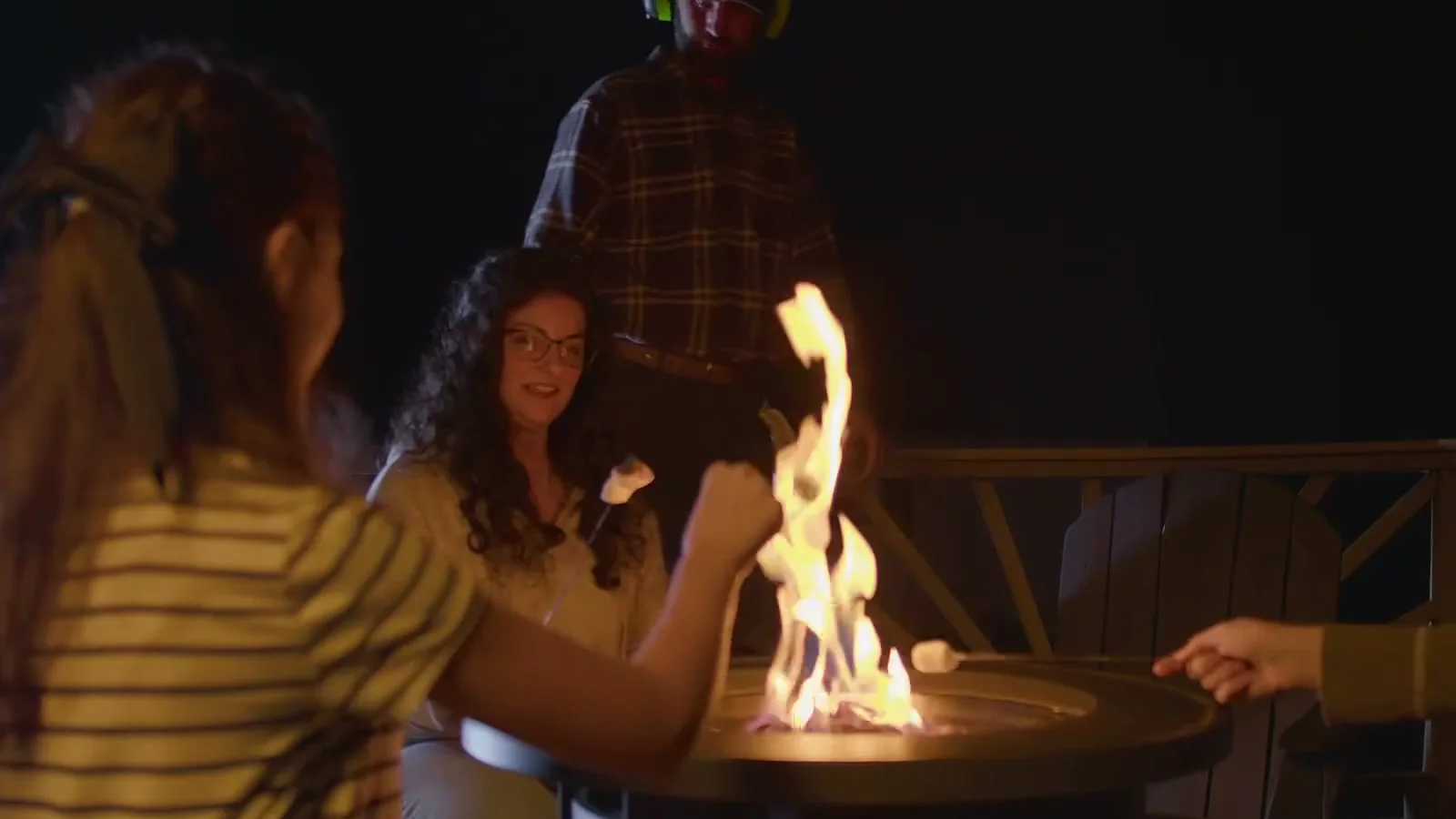
The fireworks start, the crowd cheers, and the smallest person in your group puts both hands over their ears. Children tell you when it is too loud. They just cannot do much about it, so the job falls to the adults around them.
How loud a show gets
A fireworks show runs at 140 to 160 dB by the figures of CDC's Listen Up page. The American Academy of Pediatrics says sound above 120 dB can damage hearing at once, not over years. CDC's page on the causes of noise-induced hearing loss adds that a single loud blast close to the ear can be enough.
| What | Figure | Source |
|---|---|---|
| Fireworks | 140 to 160 dB | CDC, Listen Up |
| Level that can damage at once | above 120 dB | AAP |
| Level that can harm over time | 85 dBA and above | NIDCD |
| Level unlikely to harm | 70 dBA and below | NIDCD |
Children too young to protect their own ears depend on you, NIDCD reminds adults. That covers the stroller at the parade, the toddler on your shoulders at the show and the eight-year-old at the monster truck rally.
Earmuffs, not earplugs, for small children
For young children the AAP picks earmuffs over earplugs in its holiday tips: a small plug can be swallowed. Muffs have two more advantages for parents. You can see from across the blanket that they are still on, and they go back on in a second when they come off.
Fit before you leave the house
- Slide the band to its smallest setting, then open it until both cups cover the whole ear.
- Check that no part of the ear is folded under a cushion.
- Pull hair, hoods and hat straps out from under the cushions: they break the seal.
- Let the child wear the muffs at home for a few minutes, so they are not new at the gate.
A muff that is too loose lets the noise in around the edge. A muff that pinches comes off at the first chance. Five minutes at the kitchen table sorts out both.
Picking a pair for each child
Children are more likely to keep muffs on if the muffs are theirs. Let each child pick a color, and the pair stops being something an adult forces on them. It also ends the argument over whose pair is whose when two of them share a bag.
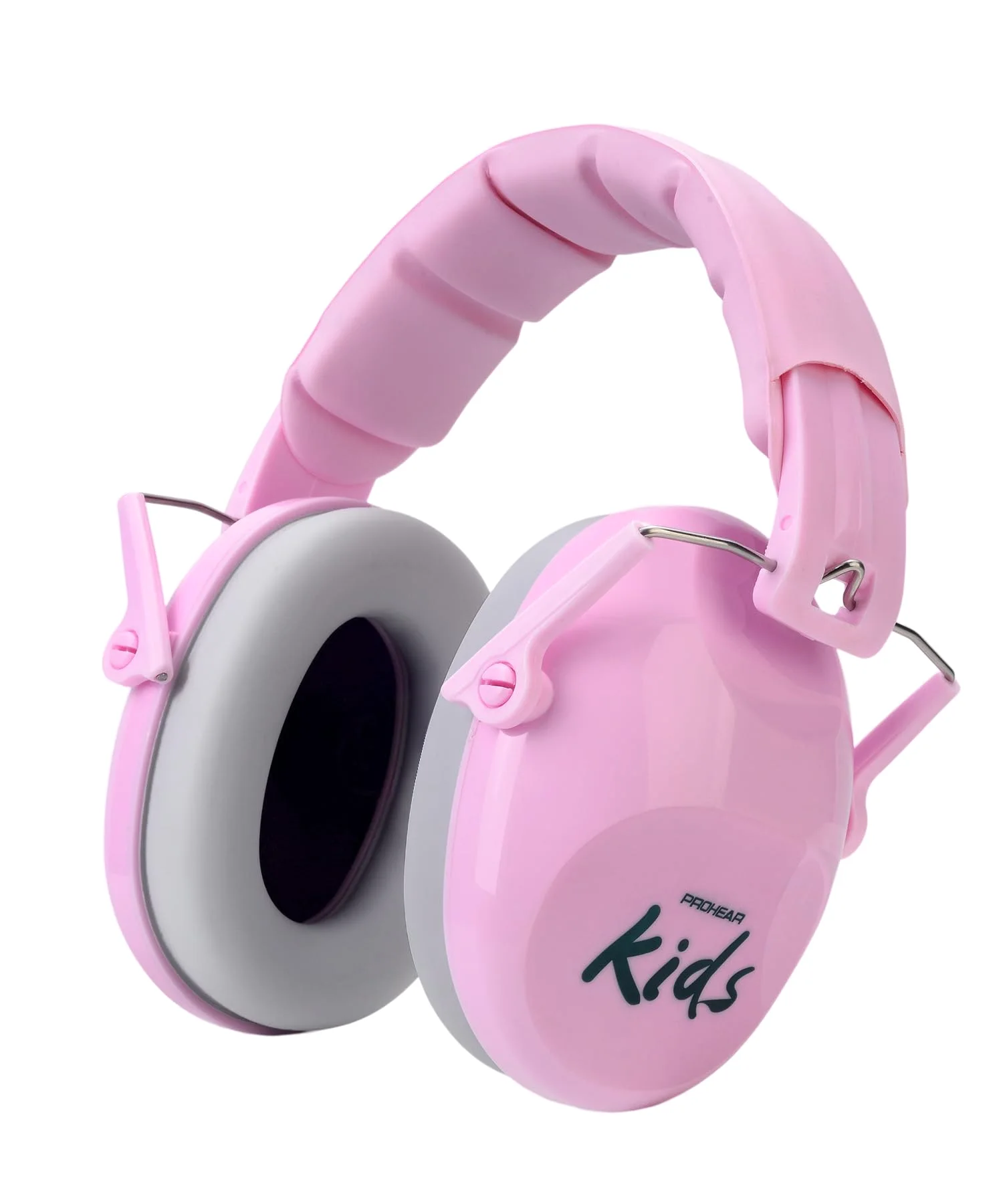
Size matters more than color. Cups that are too big gap at the jaw, and a band that is too loose slides back. Our kids ear protection is sized for children, and the kids guide sums up what the pediatric and federal sources say about noise and children.
At the show
- Put the muffs on before the first burst, not after it.
- Keep a distance from the launch site and stay with the crowd, not at the front.
- Bring a spare pair if two children share one bag: muffs get dropped in the grass.
- If a child pulls the muffs off and covers their ears anyway, move farther back.
After the show
Pack the muffs into the same bag the moment you get home, so they are there for the next game, the next race or the next birthday with a balloon popper. A pair left in the car in summer is fine. A pair left under a pile of toys gets its band bent and its cushions torn.
Wipe the cushions with a damp cloth now and then. Children sweat under them on a hot evening, and a clean cushion is one more reason for the child to put them on without a fuss next time.
Loud places beyond the Fourth of July
Fireworks are the obvious case, but not the only one. The AAP's page on how noise affects children suggests hearing protection earmuffs for kids with autism, ADHD or sensory processing differences in loud places: a gym, a fair, a concert, a school assembly. Earmuffs do not treat anything. They turn the room down.
For an older child who shoots with a parent, the youth electronic muffs are slim, sized for a smaller head, and raise voices so a coach can talk to the shooter.
And if your child complains of ringing or muffled sound after a loud day, call the pediatrician. That is a question for a doctor, not for a muff.
Written by the PROHEAR team.